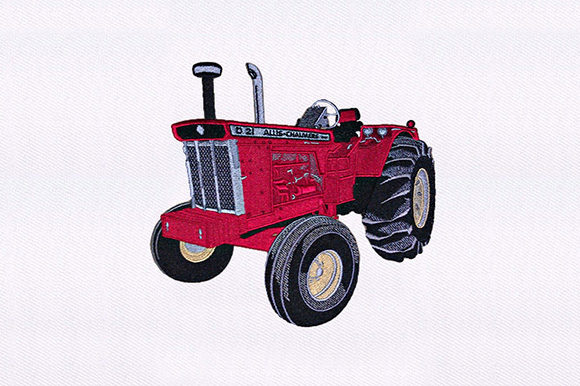
Red Tractor: A Craft Fair-Ready Embroidery Design
First Impression: Rustic Charm with Clear Commercial Appeal
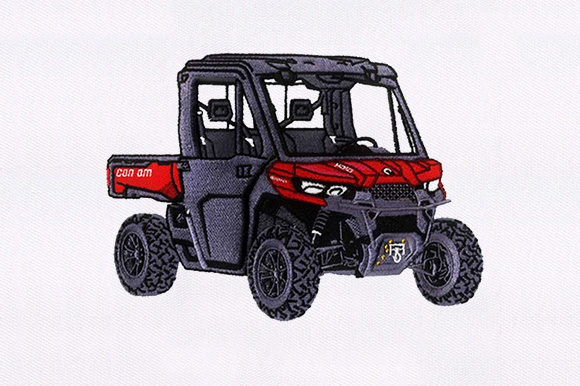
As an embroidery designer who’s prepped over 200 craft fair booths—from snowy Vermont markets to sun-drenched Southern pop-ups—I opened Red Tractor expecting a straightforward, nostalgic nod to rural life. What I got was something sharper: a bold, confident silhouette with clean outlines and intentional negative space. It doesn’t lean into cartoonish whimsy or overly distressed farmhouse clichés. Instead, it lands squarely in the “rustic-modern” sweet spot—farm-fresh but finish-ready. That balance is gold for handmade sellers. Customers instantly recognize the subject (a classic red tractor), yet the execution feels curated, not generic. It reads as a handmade product with intention—not just another clipart transfer.
Where Red Tractor Shines on Real Craft Fair Products
At a crowded booth, visual hierarchy wins. Red Tractor excels where clarity, scale, and story intersect:
- Tote bag design: Centered on a natural canvas or oatmeal linen tote, it reads from six feet away—no squinting required. The strong red shape pops against neutral backgrounds, making it an instant anchor piece in your display.
- Apron embroidery: Placed high on the chest pocket or centered below the bib, it adds personality without overwhelming utility. Its horizontal orientation aligns naturally with apron structure.
- Tea towel embroidery: Works beautifully in the lower corner or centered mid-panel. On tightly woven cotton towels, the stitch definition holds well—even with moderate fabric texture.
- Embroidered patch: At 3–4 inches wide, Red Tractor scales down cleanly. Its simplified lines avoid micro-detail loss, making it ideal for iron-on or sew-on patches sold individually or bundled with kits.
- Pillow cover & market bag: As a large focal design (5–6"), it commands attention without looking busy. The open areas breathe—critical for dense embroidery that won’t stiffen fabric unnaturally.
It’s less effective on curved surfaces like baseball caps unless resized carefully—and even then, avoid placing it across the crown seam. For commercial embroidery, stick to flat or gently contoured items.
What Makes Red Tractor Sell—Beyond the Stitch
This isn’t just a machine embroidery design; it’s a conversation starter. At craft fairs, I’ve watched customers point, smile, and say, “My grandpa drove one of those.” That emotional resonance drives impulse buys—and repeat booth visits. Red Tractor feels authentic, not algorithmically generated. It supports brand consistency for makers leaning into agrarian, cottage-core, or small-town storytelling. On Etsy, it performs strongly in search for “farmhouse embroidery,” “tractor gift,” and “rustic kitchen decor”—especially when paired with strong printable mockups showing real fabric textures and lighting.
Photography is effortless: the contrast between red thread and off-white or charcoal fabric creates natural depth. No heavy editing needed. And because it’s not overly detailed, batch production stays efficient—no re-hooping every third item, no constant tension checks for tiny fill sections.
Careful-Use Notes: Protect Your Stitch Quality
Even strong designs need smart execution. Here’s what to watch with Red Tractor:
- Dense stitch areas: The wheel treads and grill detail carry higher stitch density. Use cutaway stabilizer on lightweight fabrics—and always test on scrap first.
- Small lettering? None present—this is a pure graphic design. That’s a win: no risk of illegibility on tea towels or pouches.
- Dark fabric: Red thread on black or navy works, but confirm contrast with your chosen thread brand. Some “red” variances dull on deep tones.
- Textured towels: Opt for medium-weight cotton or linen-cotton blends. Avoid highly napped or terry cloth—detail can blur.
- Small sizes: Below 2.5", the grille and wheel spokes begin to merge. Stick to ≥3" for patches or pouch accents.
Designer-to-Designer Production Checklist
Before cutting your first fabric piece, run this quick verification:
- Test the design on scrap fabric matching your final product’s weight and weave.
- Check thread contrast under both natural and booth lighting—some reds shift orange or burgundy under warm LEDs.
- Review spacing and hooping: Confirm the embroidery file fits your standard hoop size. If not, adjust placement—not scaling—to preserve proportions.
- Inspect stitch density in the wheel area—excessive density can cause puckering on soft cottons.
- Match stabilizer to fabric: Cutaway for knits and stretchy market bags; tear-away for stable linens and tea towels.
- Create at least one real mockup—not just digital. Drape it on your tote or pin it to your apron. See how it moves, folds, and catches light.
- Compare fabric colors side-by-side: oat, charcoal, cream, and olive all pair distinctively with Red Tractor.
- Confirm commercial licensing before selling finished products. This digital embroidery file includes multiple formats (10O, ART, CND, DSB, DST, DSZ, EXP, HUS, JEF, PCS, PEC, PES, TAP, VIP, VP3, XXX)—but usage rights are separate. Always verify.
Final Thought: A Reliable Anchor for Your Handmade Line
Red Tractor isn’t flashy—but it’s dependable. In a sea of trending, overdesigned motifs, it stands out by being quietly confident. It translates seamlessly from craft fair product to Etsy seller listing to boutique shelf staple. It supports storytelling without demanding it. Whether you’re stitching 5 aprons for Saturday’s market or building a full small shop product line around rural Americana, Red Tractor delivers handmade quality, visual strength, and genuine buyer engagement—every single time.