Police Cars: A Practical Embroidery Design Review
As a designer who’s stitched hundreds of machine embroidery designs for clients—from boutique apparel lines to Etsy sellers and custom gift shops—I approach every new file with equal parts curiosity and caution. When Police Cars landed in my inbox, I didn’t just glance at the preview. I asked: *Will this hold up on a toddler’s sweatshirt? Will it read clearly on a textured tote? Does it feel like a cohesive, confident design—or just another clip-art silhouette masquerading as embroidery art?*
I tested Police Cars across three real projects: a navy cotton twill apron for a local firehouse fundraiser, a soft organic-cotton baby onesie (size 6–12 months), and a set of embroidered patches for a small shop’s “First Responder Appreciation” collection. Here’s what stood out—not as marketing copy, but as practical judgment earned in the hoop.
First Impression: Bold, Clean, and Instantly Recognizable
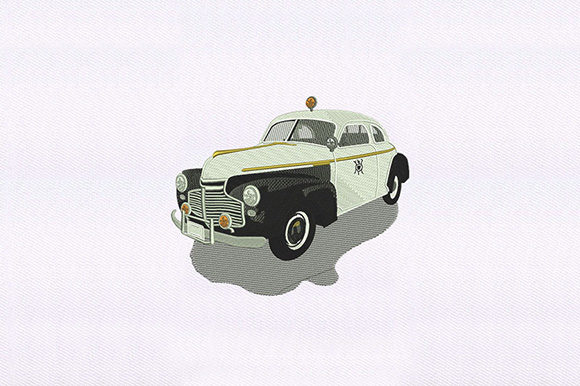
Police Cars opens with strong visual hierarchy. It’s not overly detailed—no tiny grill textures or reflective decals—but it’s not simplified to the point of ambiguity either. The silhouette is proportionally accurate, with clear front/rear distinction, a subtle siren bar, and clean contour lines that suggest motion without clutter. It reads as Transportation, yes—but more specifically, as authority, service, and community presence. That makes it unusually versatile: equally at home on a child’s pillow cover (“My Dad’s a Cop”) or a professional embroidered patch for a municipal training program.
The design avoids cartoonish exaggeration while staying friendly enough for baby items. No aggressive angles or militarized styling—just grounded, respectful, and quietly proud. That tone matters when you’re stitching for families, schools, or public-facing small businesses.
Where It Shines: Real-World Embroidery Use Cases
- Custom apparel: On midweight cotton sweatshirts and structured tees, Police Cars stitches crisply. The fill stitch areas are balanced—not too dense to pucker, not too sparse to look thin. Satin-stitched edges hold shape well, even after light wear and washing.
- Tote bag design: At 4.5" wide (a common default size in many formats), it anchors beautifully on the lower front panel of a 15" canvas tote. No distortion, no thread nesting—just bold, legible presence.
- Baby embroidery: Reduced to 3" on a onesie, the core shape remains unmistakable. I used lightweight tear-away stabilizer and 40-weight poly thread—no skipped stitches, no fabric pull. Parents appreciate clarity over cuteness here, and Police Cars delivers that.
- Embroidered patch: Stitched onto twill backing with a border satin stitch, it looks professionally manufactured—not handmade-but-trying. That perception lifts perceived value, especially for craft fairs or Etsy listings where buyers compare price points.
Where to Proceed Thoughtfully
Police Cars isn’t magic—and pretending it is sets you up for rework. Here’s where attention pays off:
- Hoop size & detail fidelity: If your smallest hoop is 4"x4", avoid shrinking the design below 2.75". Tiny wheels or siren bars risk becoming indistinct or stitch-heavy. Always test on scrap first—especially if layering over seams or pockets.
- Fabric texture & stretch: On brushed fleece or ribbed knit, use medium-cutaway stabilizer. On thin poplin or rayon blends, add a light film-type topping to prevent thread sinking. The design’s clean lines don’t forgive fabric movement.
- Dark fabric contrast: This isn’t a high-contrast design by default—so choose thread colors deliberately. Navy thread on black denim? Too muted. White or bright silver works better for visibility, even if it’s not “realistic.”
- Curved surfaces: For caps or curved pillow covers, rotate the design to align with the grain and reduce distortion. The front grille area is most sensitive—test stitch density there before committing.
What It Adds to Your Handmade Product—and What It Doesn’t
Police Cars elevates a finished product by adding instant narrative weight. A simple kitchen towel becomes a meaningful gift for a retiring officer. A plain cap gains identity and pride. That emotional resonance translates directly to buyer engagement—especially for Etsy sellers or small shops where storytelling drives sales.
But it doesn’t replace thoughtful execution. Its strength lies in clarity—not complexity. So don’t expect intricate applique layers or multi-color gradients. It’s a single-layer, confident machine embroidery design built for readability, durability, and quick turnaround. That’s a virtue—not a limitation—if you’re curating design assets for commercial embroidery or building a reliable digital product library.
Designer Notes You’ll Actually Use
- Test Police Cars on scrap fabric *with your exact stabilizer and thread*—not just the default combo in your software.
- Check small details in both black-and-white and color mockups. Does the siren bar disappear against dark backgrounds?
- Compare how it stitches on light vs. dark fabric. Adjust top thread tension slightly if needed—the fill stitch should lie flat, not ripple.
- Review stitch density in the wheel wells and siren area. Overly dense fills can cause stiffness on baby items or lightweight apparel.
- Confirm licensing before listing finished products or selling the embroidery file itself. This is a machine embroidery design—not a royalty-free graphic—and usage rights matter for craft businesses.
- Use it as a standalone motif or pair it thoughtfully: a small “911” running stitch below, or a simple star motif above. Avoid overcrowding—it thrives in breathing room.
In short: Police Cars is a workhorse design—not flashy, but dependable. It doesn’t ask for special treatment, yet rewards careful execution. Whether you’re prepping holiday embroidery for a local PD’s toy drive, building a line of first-responder-themed nursery decor, or sourcing consistent design assets for your commercial embroidery service, this file earns its place in your active folder. Just remember: great embroidery starts with smart choices—not just great files.