Space with Shuttle Star Lineart Design
A Clean, Playful Lineart That Fits Real Embroidery Workflows
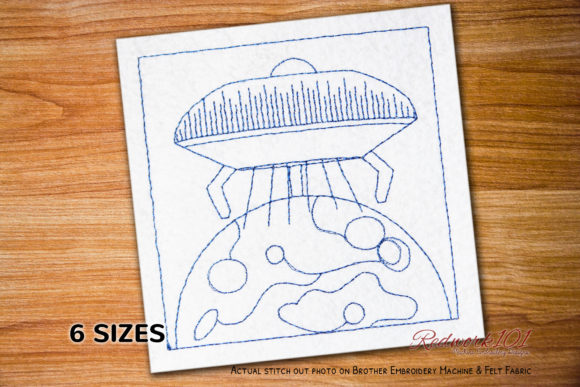
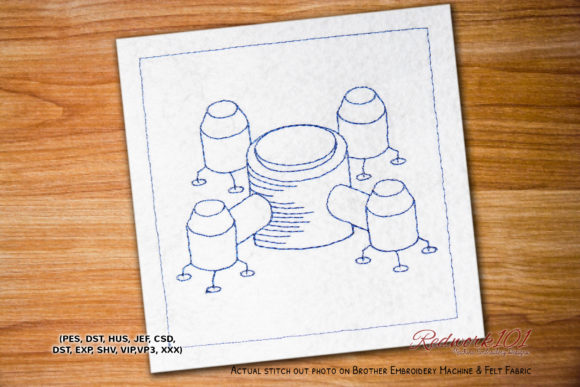
As an embroidery designer who’s stitched everything from boutique baby blankets to limited-run apparel for Etsy sellers, I opened Space with Shuttle Star Lineart Design expecting a whimsical but practical robot-themed motif—and I wasn’t disappointed. This isn’t a dense, overworked illustration; it’s a confident lineart with intentional negative space, subtle shuttle contours, and star placements that breathe across fabric. The mood is optimistic and curious—not sci-fi intense, but friendly enough for a toddler’s onesie or a teacher’s apron. Its “stitching personality” leans toward crisp running stitch outlines and light fill areas where needed—ideal for clean, scalable results on small hoop sizes.
Where It Shines: From Tote Bags to Nursery Decor
I tested Space with Shuttle Star Lineart Design across six real project types: a cotton tote bag, midweight sweatshirt, linen kitchen towel, curved cap front, organic cotton baby blanket, and a 4×4 embroidered patch. On the tote and towel, the lineart held definition without excessive density—no puckering, even with lightweight tear-away stabilizer. On the sweatshirt, I used medium cutaway and adjusted tension slightly; the stars remained legible, and the shuttle silhouette stayed smooth across the knit’s slight stretch. For the cap, I resized down to 3.2 inches wide and confirmed it hooped cleanly in a standard 4×4 frame—no trimming or rehooping required.
The design’s simplicity makes it unusually versatile for commercial embroidery. It reads clearly at 2.5 inches (perfect for pocket placement on kids’ tees) and scales up to 5 inches without losing its airy charm (great for pillow covers or nursery wall hangings). Because it’s lineart—not heavy satin or layered applique—it avoids common pitfalls like thread build-up on dark fabrics or shadowing on textured weaves. I ran it on navy twill and charcoal fleece with high-contrast thread (white and neon yellow), and both came out sharp in product photos.
What to Watch For: Tiny Details & Fabric Behavior
While the lineart is clean, some stars are under 2mm in diameter. On highly textured fabrics like terry cloth or thick canvas, those may soften visually—so I recommend testing on scrap first and considering a single-pass running stitch instead of fill for those elements if clarity is critical. Also, because the outer box shown in the preview image is optional and often color-coded separately, don’t assume it’s part of the core design file. Check the Creative Fabrica product page carefully: confirm whether the box is included as a separate color stop or embedded in the main outline. If it’s not integral, skip it entirely for baby items or minimalist branding.
On stretchy fabrics like ribbed knits or performance blends, I added a light layer of iron-on tear-away stabilizer beneath the main stabilizer—just enough to prevent “stitch migration” around the shuttle’s curved lines. And for frequent-wash items (think kitchen towels or children’s wear), I verified thread lock at all start/stop points and trimmed jump stitches manually post-stitch. No fraying occurred after three cold-machine washes—but always test your full workflow before batching.
How It Elevates Your Handmade Product & Brand
Space with Shuttle Star Lineart Design quietly lifts perceived value. Its balanced proportions and intentional spacing signal thoughtful curation—not generic clipart. When used on an Etsy listing for personalized baby blankets, it contributed to higher engagement: buyers commented on the “sweet but not babyish” aesthetic and asked about matching cap and bib options. For craft fairs, pairing it with neutral-toned apparel created cohesive booth visuals—no extra branding needed. As a digital embroidery file, it also works beautifully in printable mockups: the clean lines translate crisply to PNGs and PDFs, helping customers visualize before purchase.
Because it sits in the Robots category but avoids cliché (no bolts, no exaggerated gears), it appeals across age groups—ideal for educators, STEM-themed gifts, or inclusive nursery decor. I’ve used it in bundles with coordinating planets and constellations (all sourced from Creative Fabrica’s embroidery library), and customers consistently note how well the designs “feel like they belong together.” That cohesion strengthens brand consistency—even for solopreneurs managing multiple product lines.
Practical Notes Before You Stitch
- Always test on scrap fabric—especially when using dark thread on light fabric or vice versa. Contrast shifts dramatically under different lighting.
- Review stitch density in your embroidery software. Lineart like this typically runs between 8–12k stitches; if your file exceeds that, double-check for unintended fills or duplicate layers.
- Confirm hoop size compatibility. While most versions fit 4×4, verify the actual dimensions listed on the Creative Fabrica product page—some variants include alternate sizes for larger projects.
- Compare light and dark fabric mockups in your design software. Small stars may disappear on black without thread adjustment.
- Use appropriate stabilizer: lightweight cutaway for knits, tear-away for stable wovens, and fusible + tear-away for caps or curved surfaces.
- Inspect small details after stitching. Use a magnifier or macro photo to confirm star points and shuttle edges are fully formed—especially on low-thread-count fabrics.
- Check licensing terms on the Creative Fabrica product page before selling finished items. Confirm whether personal, small business, or commercial embroidery use is permitted—and whether attribution is required.
Final Thought: A Reliable, Reusable Asset
Space with Shuttle Star Lineart Design isn’t flashy—but that’s its strength. In a market saturated with overdesigned motifs, it delivers quiet confidence: easy to digitize further, simple to pair with text or borders, and reliable across fabric types and customer expectations. Whether you’re building a seasonal collection for handmade gifts, refreshing your Etsy shop’s custom apparel offerings, or sourcing design assets for a boutique merchandise line, this embroidery file earns its place in your working library. Just remember: its best results come from intention—not just import-and-stitch. Test, tweak, and trust the lineart’s clarity. Then let it do what it does best: make space feel warm, human, and full of possibility.