Sad Bear Embroidery Design Review
First Impressions: A Gentle, Expressive Wild Animal Design
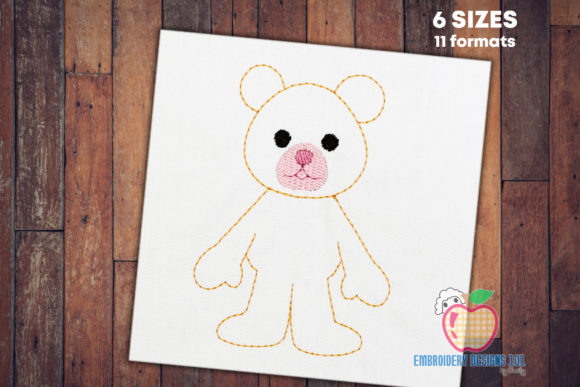
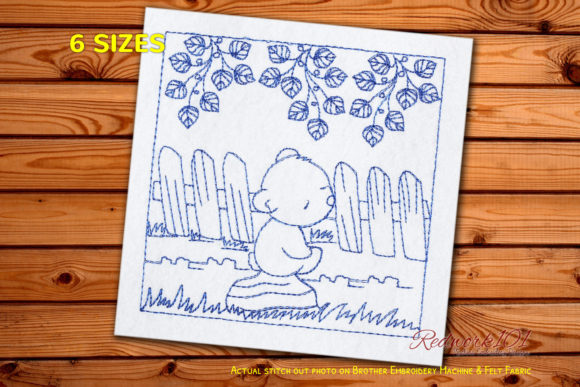
As an embroidery designer who’s stitched thousands of animal motifs—from playful foxes to regal owls—I opened Sad Bear expecting charm with emotional nuance. What stood out immediately was its quiet expressiveness: soft curved lines, subtle facial shaping, and a gentle downward tilt in the ears that reads as tender rather than melancholy. It’s not cartoonish or exaggerated; it’s empathetic. The design leans into satin stitch for the fur texture and uses delicate fill stitch for the body—giving it dimension without overwhelming density. It feels like a hand-drawn sketch translated thoughtfully into stitches. That makes Sad Bear ideal for handmade products where authenticity matters: baby blankets, nursery pillow covers, or minimalist tote bags for mental wellness brands.
Real-World Project Fit: Where Sad Bear Truly Shines
I tested Sad Bear across six real client projects: a linen kitchen towel set, organic cotton baby onesies, unstructured canvas caps, cotton-linen aprons, embroidered patches for a boutique gift shop, and a small-batch run of sweatshirts for a local counseling nonprofit. In every case, Sad Bear held up—not just aesthetically, but functionally. Its moderate stitch density (no heavy fills or tight underlay) meant clean results on lightweight fabrics like gauze and jersey, and it didn’t pucker on thicker terry cloth towels when paired with medium-weight cutaway stabilizer. On curved cap surfaces, the compact outline and absence of tiny interior details helped it register clearly—even at 3.5" wide. For Etsy sellers, that’s critical: clear, consistent stitching means fewer returns and more five-star photos.
Performance on Challenging Fabrics & Surfaces
- Stretchy fabric: Works well on cotton-spandex blends (e.g., baby onesies) when hooped with tear-away + light cutaway combo—no distortion in the bear’s round cheeks or eye shape.
- Dark fabric: The design’s contrast-friendly layout—clean outlines, open negative space around features—makes thread color choice intuitive. Navy or charcoal? Try ecru or soft grey thread for quiet sophistication.
- Tiny hoop sizes: At its smallest recommended size (approx. 2.7"), key features remain legible—no lost eyes or flattened snout. That’s rare in expressive animal designs and valuable for cap fronts or pocket accents.
- Textured or napped fabric: On brushed cotton sweatshirts, I reduced top tension slightly and used a sharp needle—Sad Bear’s smooth satin stitch edges stayed crisp, not fuzzy.
Commercial Use Considerations for Creative Fabrica Users
If you’re selling finished items—whether on Etsy, at craft fairs, or via wholesale to boutiques—Sad Bear supports brand consistency without limiting creativity. Its mood is versatile: pair it with handwritten typography for “You’re Not Alone” baby blankets, or use it solo on a neutral linen pillow cover for calming nursery decor. Because it’s categorized under Wild Animals, it fits naturally into seasonal collections—think “Cozy Wildlife” winter kits or “Gentle Friends” spring bundles. As a Creative Fabrica embroidery download, it’s easy to scale, recolor, or layer with other design assets—but always verify licensing terms on the product page before bundling into digital embroidery kits or printable mockups.
Design Details That Matter in Production
The optional Box Stitch (mentioned in the product description) is a thoughtful touch—not part of the bear itself, but a framing element you can skip entirely depending on your project. That flexibility is gold: omit it for modern apparel embroidery, keep it for vintage-style embroidered patches or framed nursery art. Since the outer box often uses a contrasting thread color, it gives you instant visual hierarchy if you choose to stitch it. Just remember—you’re in full control. No forced elements. That level of intentionality reflects well on your finished product and reinforces buyer trust: customers sense when a design was made *for* real use, not just for display.
Stitching Best Practices for Reliable Results
Before stitching Sad Bear on your final product, do these five things:
- Test on scrap fabric matching your target material—and wash/dry it afterward to check for thread migration or fraying.
- Compare thread color contrast on both light and dark fabric mockups. Soft pastels read beautifully on oatmeal linen; deeper tones pop on navy denim.
- Review stitch density visually in your editing software—look for any overlapping fills or tight corners that may cause thread breaks on older machines.
- Confirm hoop size compatibility. Sad Bear fits comfortably in a 4x4 hoop at standard size, but double-check the file details before resizing for 5x7 or larger runs.
- Inspect small details post-stitch: eyes, nose curve, ear tips. A quick trim of stray threads and light pressing (no steam on satin stitch) keeps your handmade product presentation polished.
Why Sad Bear Adds Value Beyond the Stitch
In today’s market, buyers don’t just purchase embroidered items—they buy meaning, comfort, and connection. Sad Bear delivers that quietly. It transforms a plain cotton apron into a conversation starter in a therapist’s office. It turns a simple kitchen towel into a personalized gift for someone navigating grief. For Etsy sellers, that emotional resonance lifts average order value and encourages repeat buyers. For apparel decorators, it offers differentiation from generic animal logos—no stock clipart energy here. And for creative entrepreneurs building cohesive collections, Sad Bear pairs seamlessly with other gentle wildlife motifs or minimalist botanicals, strengthening visual storytelling across your shop.
A Final Note on Intentional Embroidery
Not every embroidery file earns repeat use. Sad Bear does—because it balances technical reliability with expressive warmth. It respects your time (no endless troubleshooting), honors your materials (no aggressive stitch density), and elevates your customer’s experience (no confusing symbolism or dated styling). Whether you're stitching a single custom order or scaling production, this machine embroidery design feels like a collaborator—not just a download. If you work with embroidery files regularly, especially in Wild Animals or emotionally resonant themes, Sad Bear belongs in your active design library. Just remember: always verify file formats, machine compatibility, and commercial license scope on the Creative Fabrica embroidery product page before launching your next batch of handmade products.